
Every creative venture I pursue starts with a question—one that feels worth asking and worth spending time with.
How do adults actually build friendships in a post-pandemic world?
How can sustainability feel engaging, human, and accessible rather than abstract or overwhelming?
What might future-forward living look like when community, education, and shared experience are placed at the center?
These questions aren’t theoretical to me. They’re rooted in lived experience, observation, and conversations with people navigating similar challenges and curiosities.
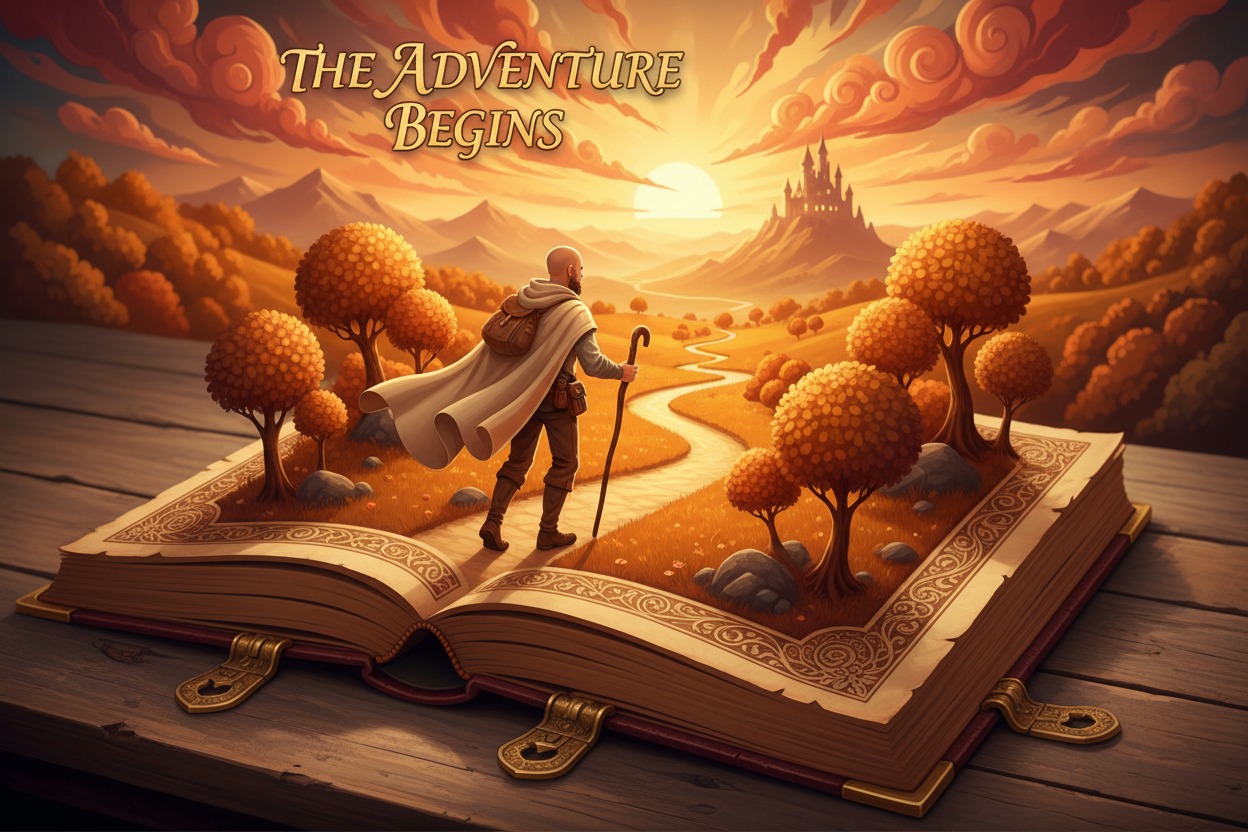
Curiosity as the Catalyst
I don’t launch projects to chase trends or fill gaps on a résumé. I build them to explore ideas that keep resurfacing—ideas that feel unresolved or underexplored.
Often, a creative venture begins as a small experiment: a conversation, an event, a concept sketch, or a simple prototype. From there, I pay attention. What resonates? What confuses people? What invites participation?
That curiosity-driven approach allows ventures to evolve organically rather than being forced into predetermined outcomes.
Extensions, Not Detours
These ventures aren’t departures from my career—they’re extensions of it.
My professional background in communications, sustainability, and community engagement directly informs how these projects take shape. Likewise, the insights gained from running creative experiments feed back into my professional work, sharpening how I think about audience, storytelling, and systems.
Whether I’m exploring social dynamics, sustainability education, or future living concepts, the underlying skill set remains the same: translating complex ideas into experiences people can engage with.
Learning in Public
One of the most important aspects of these ventures is that they happen in the open.
By building publicly, I create space for feedback, collaboration, and shared learning. Not every idea succeeds—and that’s part of the value. Each venture generates insight, conversation, and connection that wouldn’t exist otherwise.
Learning in public keeps the work honest and grounded in reality rather than speculation.
Inviting Others Into the Process
None of these ventures are meant to be solitary.
They’re designed to invite participation—whether through events, conversations, collaboration, or simply shared curiosity. Community isn’t an afterthought; it’s a core ingredient.
By opening the process, the work becomes richer and more resilient.
Why It Matters
At their best, creative ventures help people imagine alternatives—to how we connect, how we live, and how we care for the systems around us.
For me, that’s the point.
These projects aren’t about perfect execution or definitive answers. They’re about asking better questions, exploring them responsibly, and creating space for others to join in the exploration.
That’s the story behind the work—and why it continues to evolve.
Leave a Reply